

WPC LOUVERS FULL FORM USES BEST BRANDS IN INDIA
September 08, 2026.png)
WPC LOUVERS FULL FORM USES BEST BRANDS IN INDIA
Modern interiors increasingly demand materials that combine aesthetics, durability, and practical performance. This is one reason WPC louvers are becoming a popular choice for homes, offices, commercial spaces, and architectural projects across India.
Unlike conventional wooden louvers, WPC-based solutions offer a combination of wood-like appearance and the functional advantages associated with composite materials. They can be used for decorative walls, partitions, ventilation areas, privacy screens, ceilings, and other interior applications.
But what exactly does WPC mean? What are WPC louvers used for? And how should buyers choose among the best WPC louvers brands in India?
This guide explains everything you need to know before selecting WPC louvers, including their full form, features, applications, design possibilities, maintenance requirements, and how Floresta fits into the growing WPC solutions market.
What Is the Full Form of WPC Louvers?
The WPC louvers full form is Wood Plastic Composite louvers.
WPC is a composite material manufactured by combining wood-based fibres or flour with polymer materials and selected additives. The resulting material is designed to provide a balance of appearance, dimensional stability, durability, and ease of maintenance.
Louvers are slatted elements arranged at specific angles or intervals. Their design allows them to be used for visual screening, ventilation, light management, decorative detailing, and space division.
Therefore, WPC louvers combine the concept of traditional architectural louvers with the material advantages of WPC.
What Are WPC Louvers?
WPC louvers are architectural or interior design elements made using Wood Plastic Composite. Depending on the design and installation method, they can create a linear, slatted, or patterned appearance.
They can be used to:
Create decorative wall features
Divide interior spaces
Add privacy
Improve visual ventilation
Conceal selected areas
Create feature walls
Enhance ceilings
Develop contemporary jali-inspired designs
Their versatility makes them suitable for both residential and commercial environments.
Why Are WPC Louvers Becoming Popular?
Interior design trends have moved toward materials that provide a natural aesthetic without demanding the same level of maintenance as conventional natural wood.
WPC louvers address this requirement by combining a wood-inspired visual character with composite-material performance.
Some important advantages include:
1. Wood-Like Appearance
WPC can be designed to create a warm, architectural appearance inspired by natural wood. This makes louvers suitable for contemporary interiors where texture and linear detailing are important.
2. Design Flexibility
Louvers can be arranged vertically, horizontally, or in customized patterns to create different visual effects.
3. Low Maintenance
Unlike natural wood, WPC generally does not require the same type of regular polishing or wood-specific maintenance.
4. Moisture Resistance
One of the major reasons WPC is considered for interior applications is its resistance to moisture compared with conventional wood-based materials.
However, product performance depends on the formulation and intended application, so buyers should always check manufacturer specifications.
5. Termite Resistance
Quality WPC products are designed to resist termite-related deterioration, making them useful in environments where conventional wood may require additional protection.
6. Long-Term Aesthetic Appeal
With appropriate installation and maintenance, WPC louvers can retain their intended appearance for an extended period.
WPC Louvers Uses in Modern Interiors
The applications of WPC louvers are not limited to one room or design style.
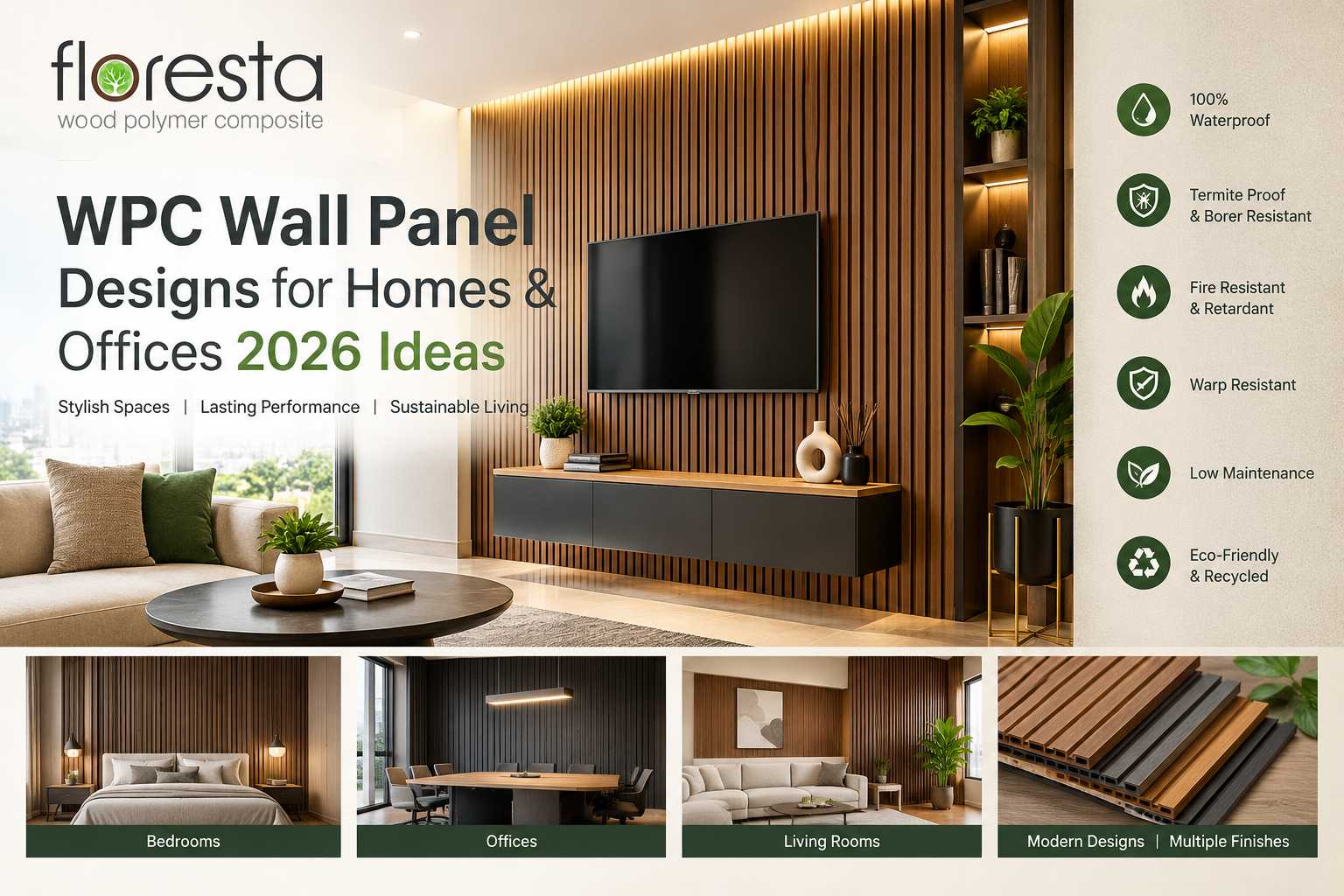
WPC Louvers for Feature Walls
A louvered feature wall can add depth and visual interest to an otherwise plain surface.
Vertical louvers can make a room appear taller, while horizontal arrangements can create a wider visual effect.
They can be used behind:
Television units
Reception desks
Beds
Sofas
Dining areas
Office workstations
WPC Louvers for Room Partitions
Open-plan interiors often require some separation without completely blocking visibility.
WPC louvers can create semi-open partitions between areas such as:
Living room and dining area
Reception and waiting areas
Workstations
Lounge areas
Retail spaces
Unlike a solid partition, a louvered partition can maintain a sense of openness.
WPC Louvers for Ventilation
One important application is architectural screening around areas where airflow and visual privacy need to be balanced.
WPC ventilation panels and louver-style screens can be incorporated into suitable designs to allow airflow while creating a visual barrier.
However, louvers should not be treated as a replacement for engineered ventilation systems. Their suitability depends on the design, opening area, and application.
WPC Jali Designs
Traditional Indian jali patterns have influenced modern interior design for decades.
Today, designers can reinterpret this concept using contemporary composite materials. WPC jali design can create decorative screens with geometric, repetitive, or customized patterns.
These designs can be used as:
Decorative partitions
Window screens
Balcony screens
Entry-area features
Prayer-area partitions
Interior accent panels
This allows designers to achieve a traditional visual concept with a modern material.
WPC Louvers vs Traditional Wooden Louvers
Both materials can create attractive architectural features, but their practical characteristics differ.
The better option depends on the project's design, budget, environmental conditions, maintenance expectations, and material preference.
How to Choose the Best WPC Louvers Brands in India
With growing demand for WPC interiors, several manufacturers and brands offer louver products. Choosing among the best WPC louvers brands in India requires looking beyond appearance and price.
Check Material Quality
Ask about the WPC composition, manufacturing process, density, dimensions, and intended application.
A reliable manufacturer should provide clear technical information rather than relying only on decorative claims.
Evaluate Surface Finish
The finish should be consistent across the product. Depending on the design, buyers may prefer wood-grain, matte, textured, or other contemporary finishes.
Check Dimensional Accuracy
Louvers need to align correctly during installation. Consistent dimensions help installers achieve clean joints and uniform spacing.
Consider Moisture Conditions
If the louvers will be used in areas exposed to humidity or occasional moisture, verify that the specific product is suitable for that environment.
Review Installation Requirements
Ask about recommended framing, fixing systems, cutting methods, spacing, and accessories.
Look at the Manufacturer's Product Range
A manufacturer offering complementary WPC products can make project coordination easier, especially when the same project also requires doors, frames, panels, or other architectural components.
Floresta: WPC Solutions for Modern Spaces
Floresta focuses on WPC-based architectural solutions designed for contemporary residential and commercial environments.
For buyers looking beyond individual decorative elements, choosing a manufacturer with experience across WPC applications can be valuable. It provides an opportunity to coordinate material selection, design requirements, dimensions, finishes, and installation considerations across a project.
Floresta's WPC product approach aligns with the growing demand for materials that combine modern aesthetics with practical characteristics such as moisture resistance, durability, low maintenance, and resistance to common wood-related concerns.
For projects incorporating WPC louvers, doors, partitions, wall features, or other architectural elements, material consistency can also help create a more coordinated interior.
WPC Louvers for Different Spaces
One of the biggest advantages of louver designs is their ability to adapt to different environments.
Living Rooms
Use vertical WPC louvers behind a TV unit, sofa wall, or open partition to introduce texture without overwhelming the room.
Bedrooms
Louvered panels can be used behind beds or as decorative separators between sleeping and dressing areas.
Offices
WPC louvers can create visually lighter divisions between work zones while maintaining an open environment.
Restaurants and Cafés
Decorative louver screens can help establish separate seating zones while contributing to the overall interior theme.
Retail Interiors
Louvers can be used as display backdrops, partitions, or feature elements.
Hospitality Spaces
Hotels and hospitality projects can use louver systems to create sophisticated feature walls, reception backgrounds, and semi-private areas.
Are WPC Louvers Easy to Maintain?
One of the reasons WPC is attractive for interiors is its relatively straightforward maintenance.
Regular dusting or wiping with a suitable soft cloth is generally sufficient for routine cleaning. Avoid harsh chemicals or abrasive materials unless they are specifically approved for the product.
For long-term performance:
Follow the manufacturer's cleaning recommendations
Prevent unnecessary impact damage
Use suitable installation hardware
Maintain proper spacing and alignment
Check fixing points periodically
Avoid exposing products to conditions outside their specified application
Correct installation is just as important as product quality.
WPC Louvers and WPC Doors: A Complete Interior Solution
WPC louvers are often considered alongside WPC doors because both can contribute to a coordinated modern interior.
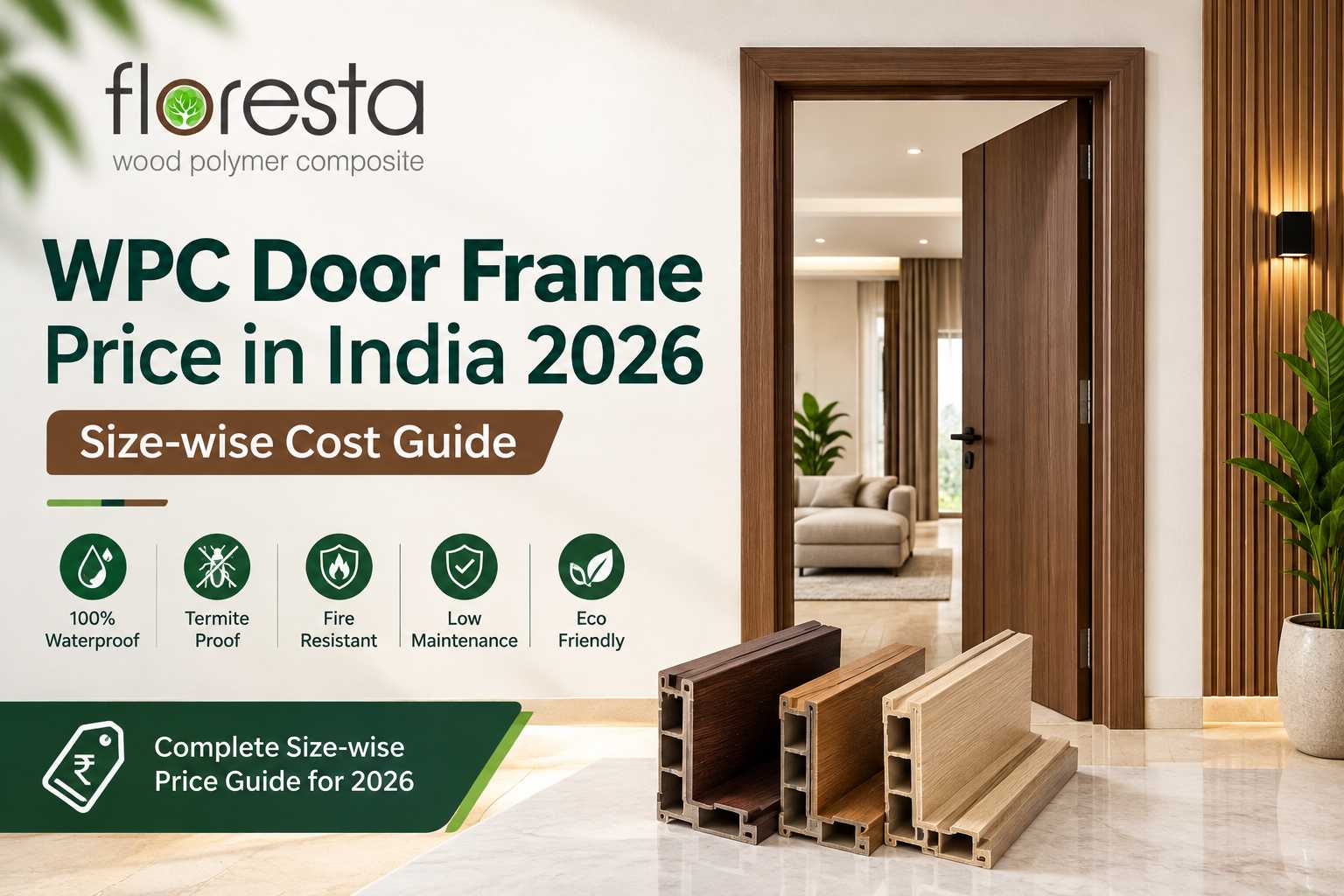
WPC doors are increasingly used where durability, moisture resistance, termite resistance, and low maintenance are important considerations. Louvers can complement these doors through matching colours, textures, and architectural detailing.
For example, a project could combine:
WPC main doors
WPC room doors
WPC louver partitions
WPC feature walls
WPC jali screens
This creates a consistent material language throughout the space.
For buyers researching best WPC doors manufacturers in India, it can therefore be useful to consider manufacturers that can support both door and broader architectural WPC requirements.
Important Factors Before Buying WPC Louvers
Before placing an order, confirm:
Product dimensions
Thickness
WPC composition
Surface finish
Colour options
Moisture resistance
Termite resistance
Installation method
Recommended application
Warranty terms
Maintenance requirements
Availability of matching products
For large projects, request a physical sample before approving the complete material. A sample allows the designer or buyer to evaluate colour, texture, finish, dimensions, and overall appearance under actual lighting conditions.
Why Quality Matters More Than Price
When comparing WPC louvers, the cheapest quotation may not always provide the best overall value.
Poor dimensional consistency can make installation difficult. An inconsistent surface finish can affect the appearance of an entire feature wall. Inadequate material quality can also compromise long-term performance.
A better purchasing approach is to compare:
Material quality + dimensions + finish + performance + installation + after-sales support + price
This gives a more realistic understanding of total project value.
Conclusion
WPC louvers are becoming an increasingly versatile choice for modern interiors because they combine architectural detailing with practical material characteristics.
From feature walls and room partitions to ventilation screens and contemporary WPC jali designs, their applications extend across homes, offices, hospitality spaces, retail interiors, and commercial projects.
Understanding the WPC louvers full form, material properties, applications, design options, and purchasing considerations helps buyers make more informed decisions.
When comparing the best WPC louvers brands in India, focus on product quality, dimensional accuracy, finish, application suitability, installation support, and manufacturer reliability rather than price alone.
For customers looking for coordinated WPC solutions, Floresta offers a modern approach to WPC applications, including doors and architectural interior solutions. By selecting the right product and working with an experienced manufacturer, designers, architects, and homeowners can create interiors that are visually distinctive while remaining practical for everyday use.
Frequently Asked Questions
1. What is the full form of WPC louvers?
WPC stands for Wood Plastic Composite. WPC louvers are slatted architectural elements made using this composite material.
2. What are WPC louvers used for?
They are used for feature walls, partitions, decorative screens, ventilation areas, ceilings, and jali-inspired interior designs.
3. Are WPC louvers better than wooden louvers?
WPC can offer advantages such as lower maintenance, moisture resistance, and termite resistance. The right choice depends on the application and product specifications.
4. Can WPC louvers be used as partitions?
Yes. They can create semi-open partitions while maintaining visual openness and adding decorative character.
5. How do I choose a WPC louver manufacturer?
Compare material quality, dimensions, finish, application suitability, customization, installation support, warranty, and overall product value.
 Price per Sq Ft & Design Ideas 1.png)
.png)

