
COMPLETE GUIDE TO WPC HOUSE FURNITURE
October 27, 2026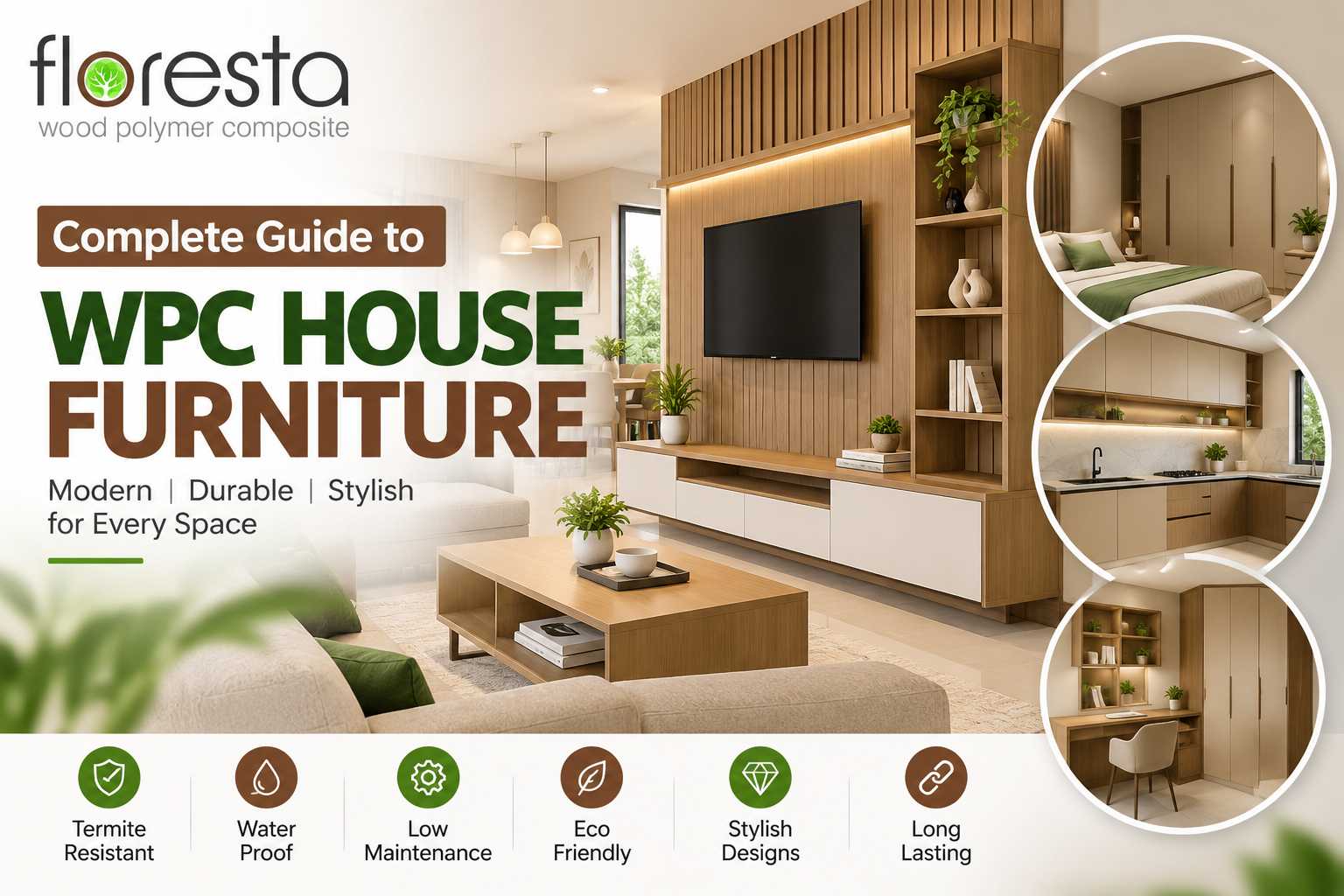
COMPLETE GUIDE TO WPC HOUSE FURNITURE
Furniture is one of the biggest spends in any home and also one of the most vulnerable. In India, wardrobes swell in the monsoon, bed frames get eaten by termites, and dining tables lose their finish after years of hot dishes and spills. Solid wood is expensive and needs care, while cheaper boards often fail early.
That is why WPC furniture is gaining attention as a practical wood alternative. This guide explains what WPC is, the types of furniture you can make with it, how it compares with wood, what affects the price, and how to look after it.
What Is WPC Furniture?
WPC stands for Wood Plastic Composite (also called Wood Polymer Composite). It is made by blending wood fiber or wood dust with thermoplastic polymers and additives, then forming the mix into boards and profiles. Furniture makers cut, drill, join, and finish these boards much like plywood, then cover them with laminates, veneers, paints, or PU coatings.
WPC house furniture simply means furniture built using these boards for the main structure, such as carcasses, frames, shelves, and panels. From the outside it can look like any wooden piece, while the core behaves differently when exposed to water and pests.
Why Choose WPC Furniture for Home?
Furniture in Indian homes has to survive heat, humidity, termites, and heavy daily use. WPC furniture for home use addresses several of these problems at once.
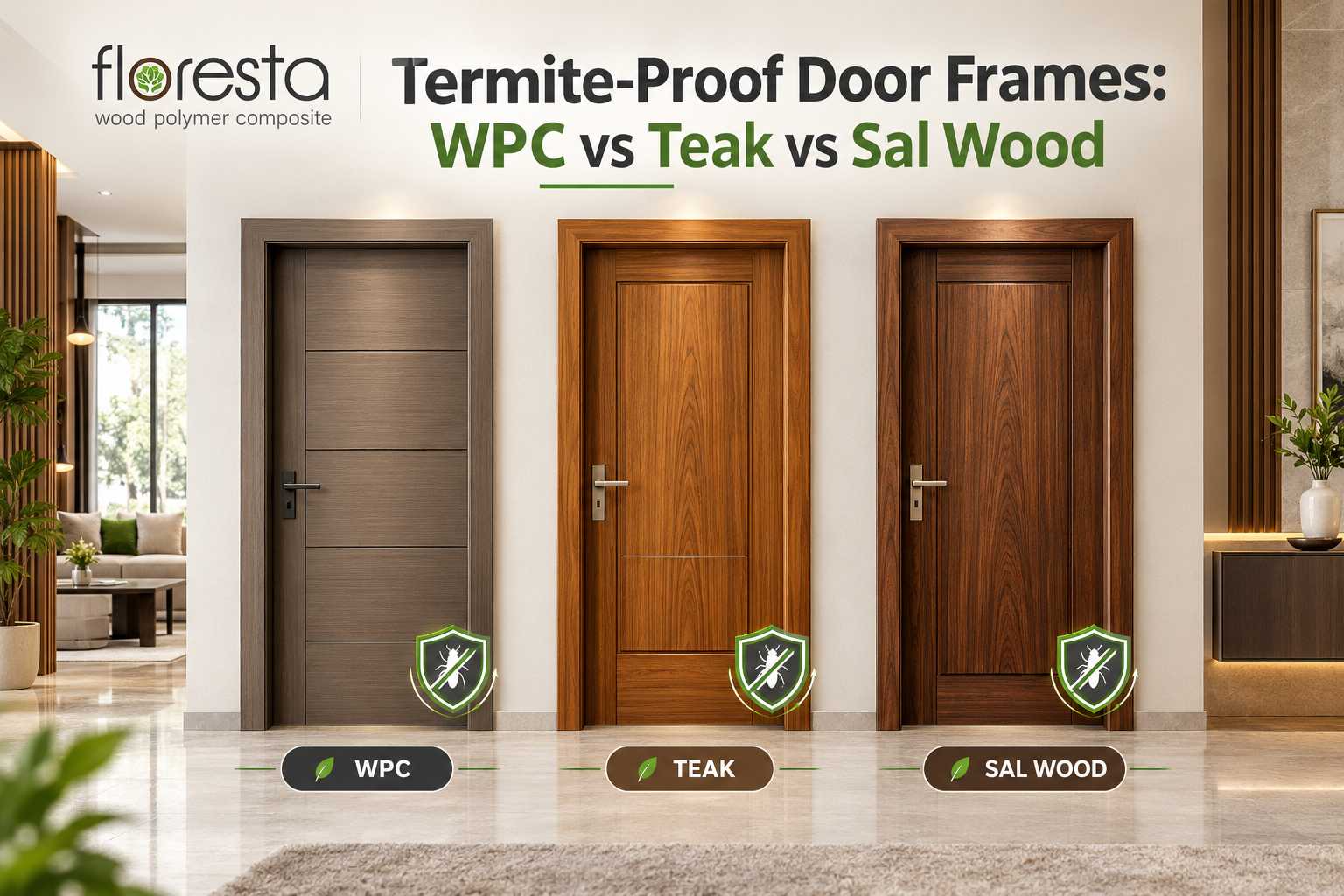
Termite-proof furniture: The polymer content makes boards unappealing to termites and wood borers, so pest treatment is less of a worry.
Moisture resistance: WPC does not absorb water like ordinary plywood or MDF, so it resists swelling, warping, and delamination.
Furniture durability: Boards stay stable, hold screws firmly, and keep joints tight for years.
Low maintenance: No frequent polishing or pest treatment for the core material.
Consistent quality: Boards are uniform, without the knots, cracks, and grain defects found in natural timber.
Finish flexibility: WPC accepts laminates, veneers, paint, and PU, so you can match any interior style.
Eco-friendly angle: It reduces the demand for freshly cut timber.
WPC House Furniture by Room
WPC can be used across the entire home. Here are the main categories.
Wardrobes
The wardrobe is where WPC makes the biggest difference. Closed, humid wardrobes are a favorite spot for termites and mold. A WPC wardrobe resists both, and it keeps its shutters aligned when humidity changes. Options include:
Hinged and sliding wardrobes
Modular wardrobes with drawers and lofts
Walk-in wardrobes with open shelving
Full-height units with mirrored or laminate shutters
Beds
WPC beds, including box beds, storage beds, and hydraulic lift beds, avoid the sagging, creaking, and termite damage that wooden bed frames can suffer. Storage beds with WPC boxes are particularly useful, since the bottom of the bed is often near the floor where moisture collects.
Tables
Dining tables, study tables, side tables, and coffee tables can all use WPC bases and frames. For tops, many people pair WPC with laminate, glass, veneer, or stone. Study and office desks benefit from the dimensional stability that keeps surfaces flat.
Storage and Shelving
Bookshelves, shoe racks, TV units, display cabinets, and kitchen or utility storage are strong use cases. They hold weight over long spans without sagging, and they handle damp areas such as balconies, utility rooms, and bathrooms better than plain plywood.
Kitchen and Bathroom Furniture
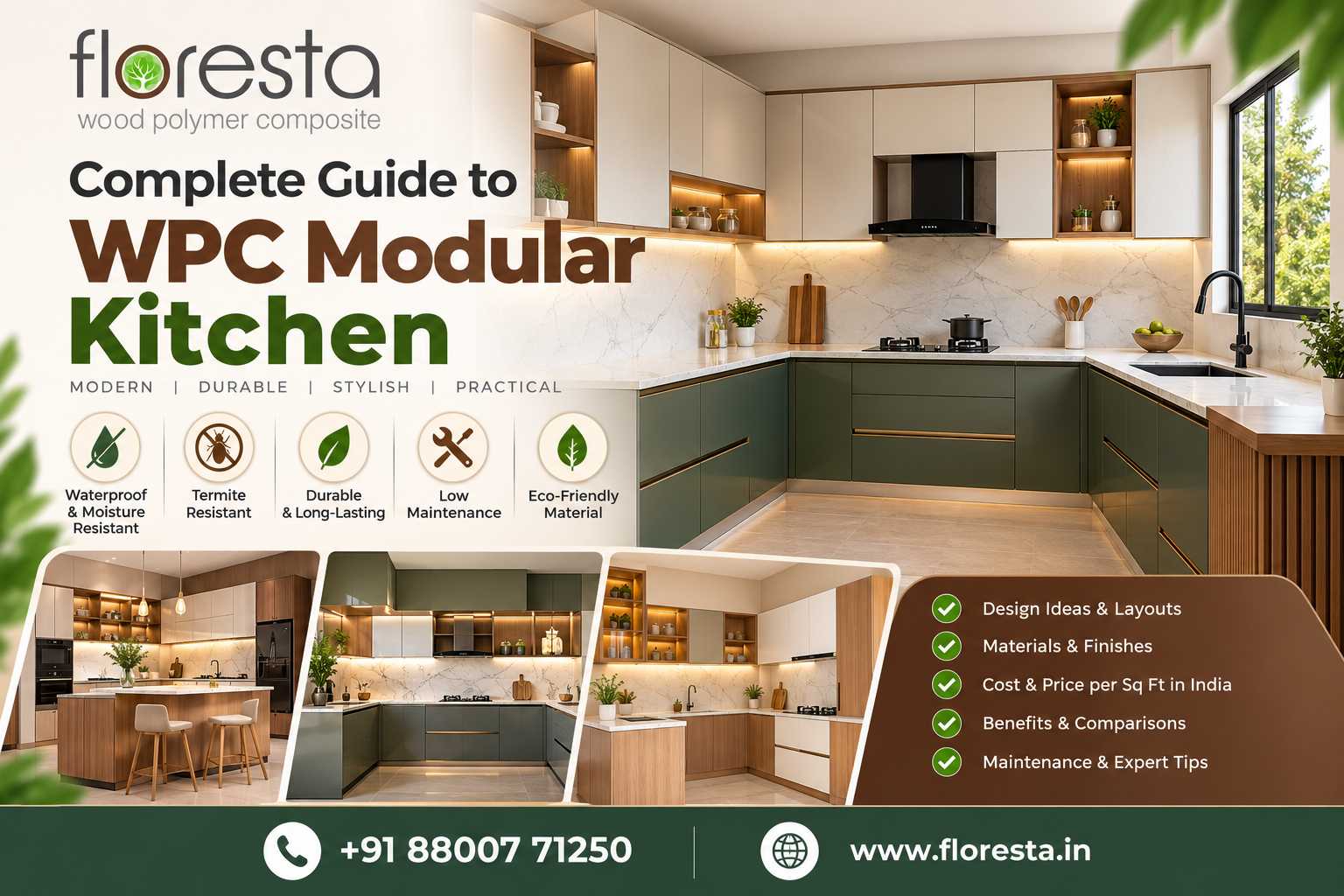
Kitchen cabinets and bathroom vanities face constant water and steam. WPC is a practical choice here, since the material resists moisture and pests that attack ordinary boards.
Doors, Frames, and Panels
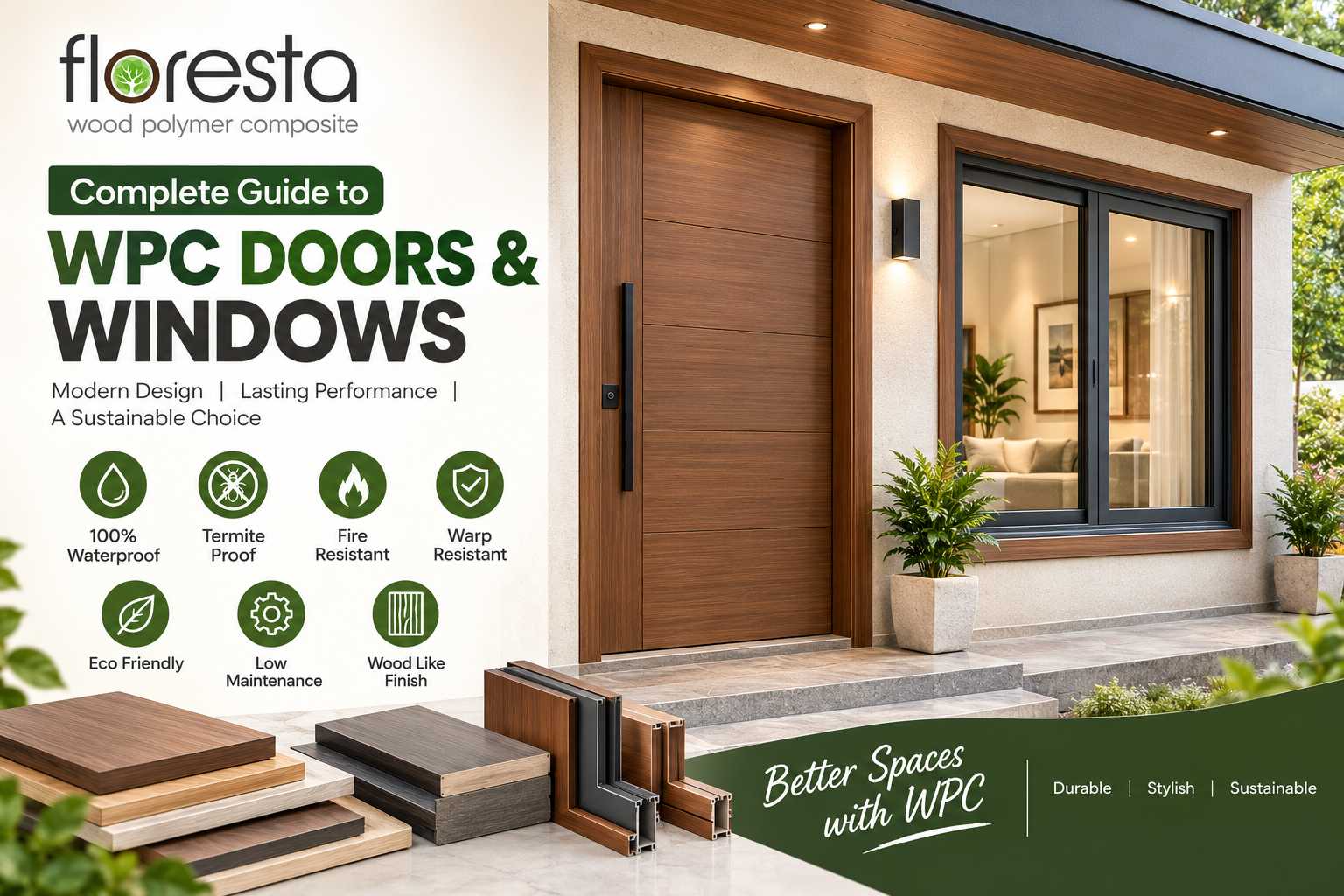
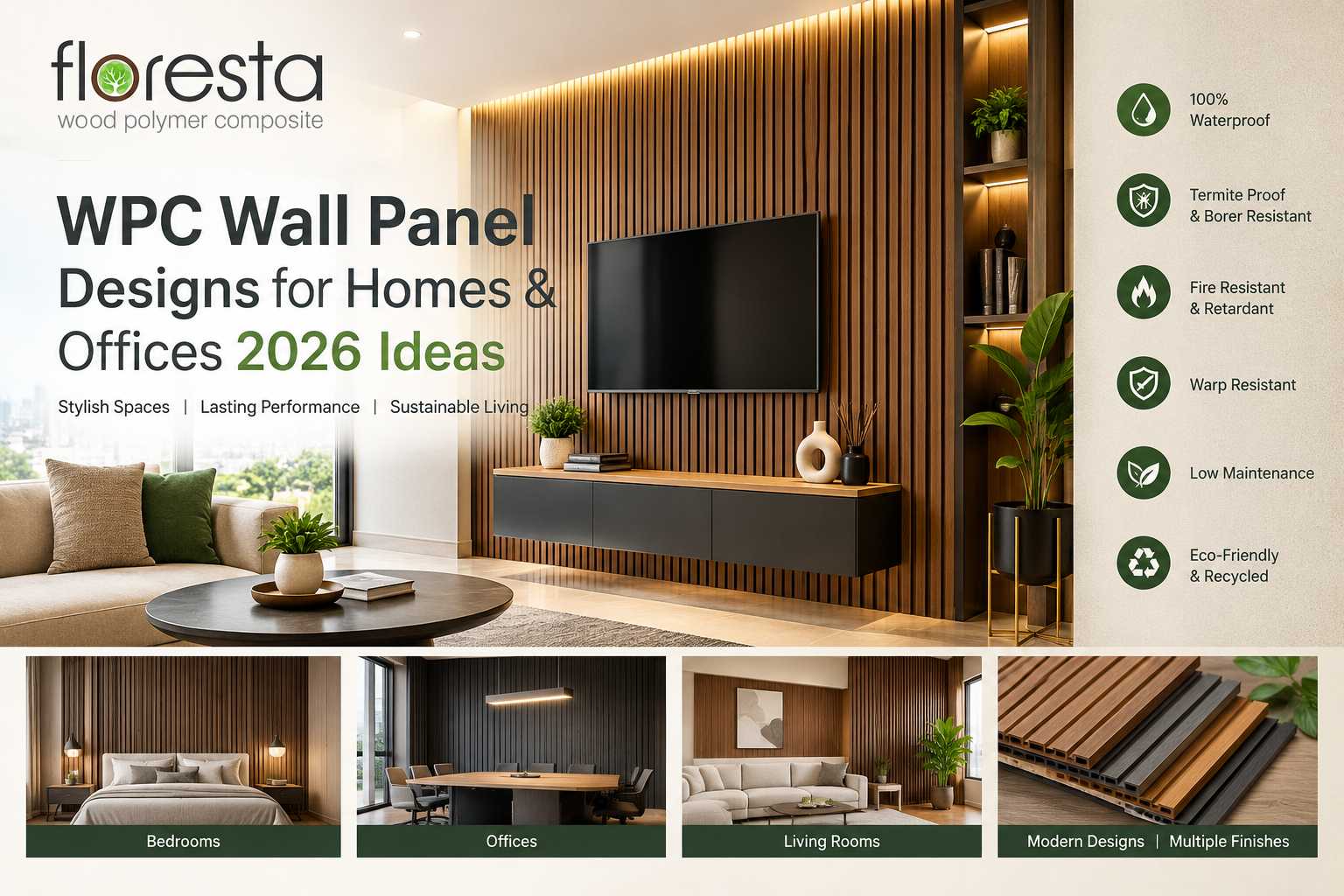
Though not furniture in the strict sense, WPC doors, frames, and wall panels often come from the same material, which helps you build a matched interior from one supplier.
WPC vs Wood: A Practical Comparison
People often ask whether WPC is a good wood alternative. Here is how they compare.
Solid wood still has unmatched charm, and you can refinish it many times. WPC wins on pest and moisture resistance and low upkeep, while plywood and MDF win mainly on lower upfront cost. Many homeowners mix materials, using WPC for wardrobes, kitchens, and humid areas, and solid wood for statement pieces.
WPC Furniture Price in India
The WPC furniture price in India depends on several factors, so there is no single rate that applies everywhere.
Board quality and thickness: Denser, thicker boards cost more but carry loads better.
Finish: Laminates are the most affordable, while veneers, acrylic, and PU finishes cost more.
Hardware: Soft-close hinges, drawer channels, handles, and lift mechanisms add to the total.
Design complexity: Custom sizes, curves, and detailing add to the labor.
Size and quantity: Larger pieces and bulk orders change the rate.
City and brand: Labour and material rates differ across regions.
As a general guide, WPC furniture usually costs more than furniture built from basic plywood or MDF, and often less than good solid teak. Furniture is typically quoted per piece or per square foot of finished area, so ask for a written quote that lists the board type, thickness, finish, and hardware. Comparing two quotes only makes sense when those details match.
Because WPC needs less repair and replacement, the long-term cost can be lower than its upfront price suggests.
How to Choose Good WPC Furniture
Quality varies between manufacturers, so check these points before you buy:
Confirm it is genuine WPC. Some boards sold under this name are PVC foam, which behaves differently. Ask about composition and density.
Check thickness and density. Thicker, denser boards hold screws and loads better.
Look at the edges and surface. They should be smooth, even, and free of bubbles or chips.
Examine the finish. Laminates and veneers should be well bonded, with no lifting at the edges.
Test the hardware. Hinges, channels, and handles should feel smooth and firm.
Ask about edge sealing. Properly sealed edges protect against moisture.
Compare warranties. A confident manufacturer will offer clear terms.
See samples first. Color and texture look different in your own lighting.
Design Ideas for WPC Furniture
WPC suits many styles. Here are a few directions:
Modern minimal: Flat panels, handleless shutters, and neutral laminates.
Warm wood tones: Wood-grain finishes with brass or black handles.
Contemporary luxury: Fluted panels, glass shutters, and integrated lighting.
Compact living: Storage beds, fold-down desks, and wall-mounted units for small flats.
Kids’ rooms: Rounded edges, easy-to-clean surfaces, and colorful accents.
Traditional: Panelled shutters and carved-look profiles in dark wood tones.
Care and Maintenance Tips
WPC furniture needs little care, but a few habits help it last:
Wipe regularly with a soft, slightly damp cloth, and dry the surface after cleaning.
Avoid harsh chemicals and abrasive scrubbers that can damage the finish.
Use coasters and heat pads to protect tops from hot dishes and wet glasses.
Fix leaks quickly, especially under sinks and near windows.
Check hinges and screws once or twice a year, and tighten them if needed.
Keep air moving. Ventilate wardrobes and closed storage units.
Do not overload shelves beyond the recommended weight.
Avoid prolonged direct sunlight on laminated surfaces to prevent fading.
Common Mistakes to Avoid
Choosing only by price. Very cheap boards may lack density or strength.
Mixing up WPC and PVC foam board. The two differ in strength and screw holding.
Skimping on hardware. Poor hinges and channels fail long before the board does.
Ignoring edge sealing. Exposed edges are where moisture enters first.
Skipping samples and site checks. What looks good in a catalogue may differ in your home.
Expecting a repair like solid wood. WPC is built to last without refinishing, but it cannot be sanded and polished repeatedly like timber.
Is WPC Furniture Right for You?
WPC is a strong fit if you live in a humid or coastal area, have had termite problems, want low maintenance, or are furnishing kitchens, bathrooms, and wardrobes. It may be less suitable if you want the look and heritage feel of solid wood throughout, or if you value the ability to refinish pieces many times.
For most homes, a combination works best: WPC where moisture and pests are the biggest risks, and solid wood or other materials where appearance matters most.
Final Thoughts
WPC furniture offers a practical answer to the problems Indian homes face, from humidity and termites to the cost and care of solid wood. With sensible choices on board quality, finish, and hardware, WPC wardrobes, beds, tables, and storage units can stay stable and attractive for years. The key is to buy from a reliable manufacturer, check the specification, and match the material to the room.
If you are planning new furniture or a full home makeover, Floresta is a brand to consider. Floresta is a Delhi-based maker of wood polymer composite and PVC boards, doors, and door frames built to resist moisture and termites, which makes them a good base for furniture and interiors. Talk to your designer or carpenter about Floresta boards for your wardrobe beds and storage units, and ask for samples, thickness options, and warranty details before you decide. With Floresta, you can furnish your home with materials made for Indian conditions.
Top 5 SEO-Friendly FAQs for WPC House Furniture
1. What is WPC furniture, and why is it good for Indian homes?
Answer: WPC furniture is made from Wood Plastic Composite, a combination of wood fibers, polymers, and additives. It offers excellent moisture resistance, termite resistance, durability, and low maintenance. WPC furniture is suitable for Indian homes because it handles humidity and everyday wear better than many conventional wood-based boards.
2. Is WPC furniture better than wooden furniture?
Answer: WPC furniture is a practical alternative to traditional wooden furniture because it offers high resistance to termites, moisture, swelling, and warping. It also requires less maintenance than solid wood. However, solid wood offers a premium natural appearance and greater refinishing flexibility. WPC is particularly suitable for wardrobes, kitchen cabinets, bathroom vanities, and storage units.
3. What is the WPC furniture price in India in 2026?
Answer: The WPC furniture price in India depends on board thickness, density, furniture size, design, finishing materials, and hardware quality. Generally, WPC furniture costs more than basic plywood or MDF furniture but less than premium solid teak furniture. For accurate pricing, compare quotations based on material specifications, finishes, and installation requirements.
4. Is WPC furniture waterproof and termite-proof?
Answer: WPC furniture offers excellent water and termite resistance, making it suitable for moisture-prone areas such as kitchens, bathrooms, and humid bedrooms. Unlike conventional plywood and MDF, WPC boards resist swelling and damage caused by moisture exposure. However, proper installation, edge finishing, and quality hardware are important for long-term performance.
5. How long does WPC furniture last, and how do you maintain it?
Answer: High-quality WPC furniture can last for many years when manufactured and installed correctly. Its durability depends on board quality, thickness, load capacity, and daily usage. Maintenance is simple: clean surfaces with a soft damp cloth, avoid harsh chemicals, protect furniture from excessive heat, check hinges regularly, and avoid overloading shelves.