

ECO-FRIENDLY WPC BOARDS FOR SUSTAINABLE HOMES THE SMART CHOICE FOR MODERN LIVING
June 25, 2026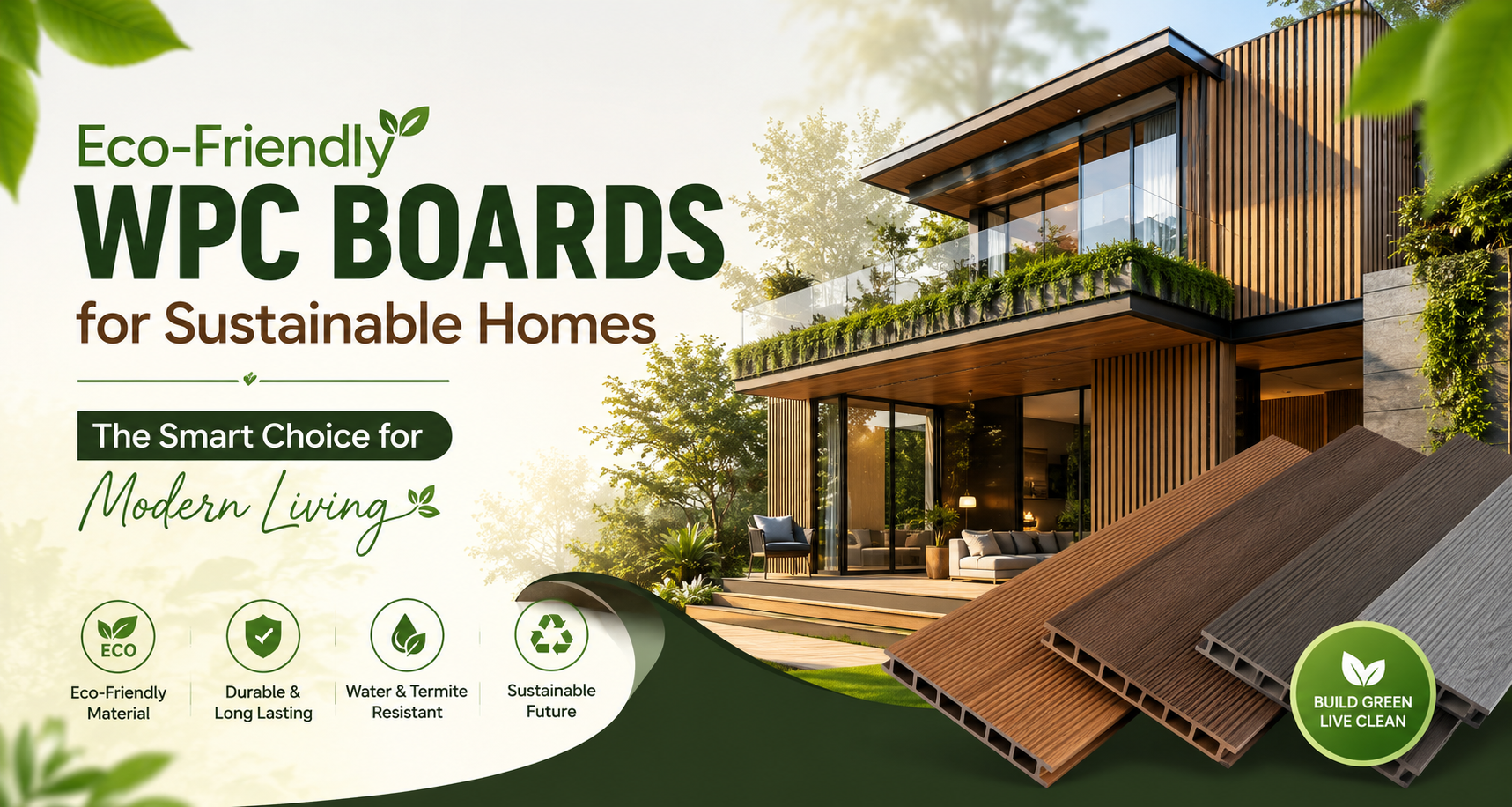
ECO-FRIENDLY WPC BOARDS FOR SUSTAINABLE HOMES THE SMART CHOICE FOR MODERN LIVING
As environmental awareness continues to grow, homeowners, architects, and interior designers are actively seeking materials that combine sustainability, durability, and aesthetics. The construction and interior design industry is undergoing a major transformation, with eco-conscious choices becoming a necessity rather than a trend. One material that has gained significant popularity in recent years is Wood Plastic Composite (WPC).
Today, Eco-Friendly WPC Boards India are becoming a preferred solution for creating sustainable homes that are stylish, long-lasting, and environmentally responsible. Unlike traditional plywood or natural wood, WPC boards offer exceptional performance while reducing the impact on natural resources.
Whether you are designing a new home, renovating an existing space, or planning a commercial project, choosing eco-friendly materials can significantly contribute to a healthier planet. WPC boards have emerged as one of the most reliable and practical options for achieving these goals.
Understanding WPC Boards
WPC, or Wood Plastic Composite, is an innovative material manufactured using a combination of recycled wood fibers, thermoplastics, and additives. This combination creates a highly durable product that resembles natural wood while offering superior resistance to moisture, termites, and wear.
Unlike conventional wood products that require the cutting of trees, WPC utilizes recycled materials, making it a more sustainable alternative. These boards can be used for various applications, including furniture, wall paneling, kitchen cabinets, wardrobes, partitions, false ceilings, and decorative interior elements.
As the demand for eco-conscious construction grows, WPC has become an essential component of modern green architecture.
Why Sustainable Homes Matter More Than Ever
Sustainable homes are designed to reduce environmental impact while improving energy efficiency and occupant well-being. Modern homeowners are increasingly aware that every material used in a building contributes to its overall carbon footprint.
Traditional construction materials often involve extensive resource extraction, deforestation, and high energy consumption during production. Sustainable alternatives help reduce these environmental challenges.
By incorporating a sustainable WPC board, homeowners can make responsible decisions without compromising on quality or design. Sustainable homes not only help preserve natural resources but also create healthier indoor environments and reduce long-term maintenance costs.
The shift towards sustainable living is no longer limited to luxury projects. It has become an integral part of modern residential and commercial developments across India.
How WPC Boards Support Environmental Sustainability
One of the biggest advantages of WPC boards is their environmentally friendly composition. These boards are manufactured using recycled wood waste and recyclable polymers, reducing dependency on virgin raw materials.
This process helps divert waste from landfills and minimizes deforestation. Since fewer trees are cut down, natural ecosystems remain protected, contributing to biodiversity conservation.
Furthermore, the manufacturing process of WPC boards often consumes less energy compared to processing natural hardwood, resulting in lower greenhouse gas emissions.
Choosing Eco-Friendly WPC Boards India directly supports sustainable development by promoting circular resource usage and reducing environmental degradation.
The Role of Recycled Materials in WPC Manufacturing
A major reason behind the popularity of WPC boards is their reliance on recycled resources. A recycled wood composite board effectively repurposes wood particles, sawdust, and thermoplastic materials that would otherwise become industrial waste.
This recycling approach offers several environmental benefits.
It reduces pressure on forests by decreasing the demand for natural timber. It also prevents valuable materials from ending up in landfills and lowers overall carbon emissions associated with producing traditional wood products.
By giving discarded materials a second life, WPC boards exemplify the principles of a circular economy, where resources are reused instead of discarded.
This sustainable approach aligns perfectly with the growing global movement towards responsible construction practices.
Durability That Reduces Resource Consumption
Sustainability is not only about using recycled materials; it is also about longevity. Materials that last longer reduce the need for frequent replacements, thereby conserving resources over time.
WPC boards are known for their exceptional durability. Unlike conventional wood, they do not crack, warp, swell, or deteriorate easily when exposed to changing environmental conditions.
Their long lifespan means homeowners can avoid repeated renovations and replacements, reducing material consumption and waste generation.
A sustainable WPC board offers decades of reliable performance, making it a cost-effective and environmentally responsible investment.
Moisture Resistance for Modern Indian Homes
India's diverse climate presents unique challenges for homeowners. High humidity, monsoons, and temperature fluctuations can significantly affect traditional wooden furniture and interiors.
WPC boards are naturally moisture-resistant, making them highly suitable for Indian homes. They perform exceptionally well in kitchens, bathrooms, utility areas, and moisture-prone spaces where traditional materials may fail.
Their resistance to water damage ensures longevity and reduces the need for repairs and replacements.
This makes WPC an ideal green building material India for urban and suburban housing projects alike.
Termite-Proof Protection Without Harmful Chemicals
One of the biggest concerns associated with traditional wood products is termite infestation. Conventional wooden furniture often requires chemical treatments to prevent pest attacks.
WPC boards eliminate this concern entirely. Their composition makes them naturally resistant to termites and insects without requiring additional toxic treatments.
This contributes to healthier indoor air quality and creates safer living spaces for families, especially children and elderly residents.
By reducing dependence on chemical preservatives, WPC boards further enhance their eco-friendly credentials.
Low Maintenance and Long-Term Savings
Another factor that makes WPC boards sustainable is their low maintenance requirement.
Traditional wood often demands regular polishing, painting, and protective coatings. These maintenance procedures consume additional resources and involve chemical products that may not be environmentally friendly.
WPC boards require minimal upkeep. Simple cleaning with a damp cloth is often sufficient to maintain their appearance.
This not only saves time and effort but also reduces the environmental impact associated with ongoing maintenance activities.
Over the long term, homeowners can significantly reduce their expenses while enjoying consistently attractive interiors.
Versatile Applications for Sustainable Interiors
WPC boards offer tremendous design flexibility, making them suitable for various residential and commercial applications.
They can be used to create elegant modular kitchens, stylish wardrobes, durable TV units, decorative wall panels, office furniture, storage cabinets, partitions, and false ceilings.
Interior designers appreciate the versatility of WPC because it can easily adapt to contemporary, minimalist, traditional, and luxury aesthetics.
This flexibility allows homeowners to build environmentally responsible spaces without sacrificing creativity or visual appeal.
Supporting Green Building Certifications
As green construction standards gain popularity, builders and developers are increasingly pursuing certifications that recognize environmentally responsible projects.
Materials such as WPC contribute positively to green building initiatives because of their recycled content, durability, and reduced environmental impact.
Using green building material India options can help projects align with sustainability goals and improve overall environmental performance.
As India continues to prioritize sustainable urban development, eco-friendly construction materials will become even more important in future projects.
Why WPC Is Better Than Conventional Wood
Traditional wood undoubtedly offers natural beauty, but it comes with several environmental and practical limitations.
Large-scale timber extraction contributes to deforestation, habitat loss, and environmental imbalance. Additionally, wood is vulnerable to termites, moisture, and warping.
WPC boards address these challenges effectively.
They preserve natural resources, offer superior durability, require less maintenance, and support sustainable construction practices.
For homeowners seeking a balance between aesthetics and environmental responsibility, WPC represents a modern and intelligent alternative.
The Growing Demand for Eco-Friendly WPC in Delhi
Urban centers are witnessing a significant rise in sustainable interior solutions. The demand for ECO WPC Delhi has increased as homeowners become more environmentally conscious.
With increasing awareness about climate change and sustainable living, consumers are prioritizing materials that align with their values.
Architects and interior designers are also recommending WPC boards for projects that require long-lasting performance and eco-friendly attributes.
Delhi's growing focus on green infrastructure makes WPC an ideal material for both residential and commercial spaces.
Building a Sustainable Future Starts with Smarter Choices
Every material choice we make today shapes the future of our planet. Sustainable homes are no longer optional; they are essential for creating healthier communities and preserving natural resources for future generations.
WPC boards provide a practical solution that combines environmental responsibility with superior functionality.
By choosing Eco-Friendly WPC Boards India, homeowners can actively participate in reducing deforestation, minimizing waste generation, and supporting sustainable development.
The future of construction lies in innovative materials that prioritize both people and the planet.
Conclusion
Sustainability is transforming the way we design and build our homes. Eco-friendly WPC boards have emerged as a powerful alternative to traditional wood by offering durability, moisture resistance, termite protection, and environmental benefits.
From reducing deforestation to utilizing recycled materials, WPC boards contribute significantly to greener living spaces while delivering exceptional performance.
For homeowners, architects, and interior designers looking to embrace sustainable practices, WPC is an investment that benefits both the environment and long-term property value.
Floresta is committed to providing premium-quality WPC solutions that support modern, sustainable living. By combining innovation, durability, and eco-conscious manufacturing, Floresta helps create beautiful interiors that contribute to a greener and more sustainable future.
 Price per Sq Ft & Design Ideas 1.png)
.png)

