
WPC DOOR MANUFACTURERS IN HYDERABAD BANGALORE AND DELHI HOW TO FIND A DEALER YOU CAN TRUST
November 16, 2026
WPC DOOR MANUFACTURERS IN HYDERABAD BANGALORE AND DELHI HOW TO FIND A DEALER YOU CAN TRUST
You fitted a new flush door in the bathroom. Eighteen months later, the bottom edge has swollen, the laminate is lifting, and there is a thin line of powder near the hinge. Water got in, and termites followed.
This is why more homeowners, builders and architects now look for WPC door manufacturers instead of the local timber shop. A WPC door does not soak up water, and termites have nothing to eat. But a door is only as good as the factory that makes it and the dealer who sells it.
This guide explains how to judge a manufacturer, what to look for in Delhi, Hyderabad, and Bangalore, which questions to ask a dealer, and how to avoid paying premium rates for a low-grade board.
What Is a WPC Door, and Why Do WPC Door Manufacturers Matter?
WPC stands for wood-plastic composite. It blends wood fiber with a thermoplastic polymer, then forms it into a board or door panel. It looks like wood and can be cut and screwed like wood, but it behaves very differently around water.
The catch is that quality varies widely. Density, polymer ratio, core design, and surface finish all change how a door performs. Two doors that look identical in a showroom can last very different lengths of time. That is why comparing WPC door manufacturers matters as much as choosing WPC over wood.
Benefits of a Well-Made WPC Door
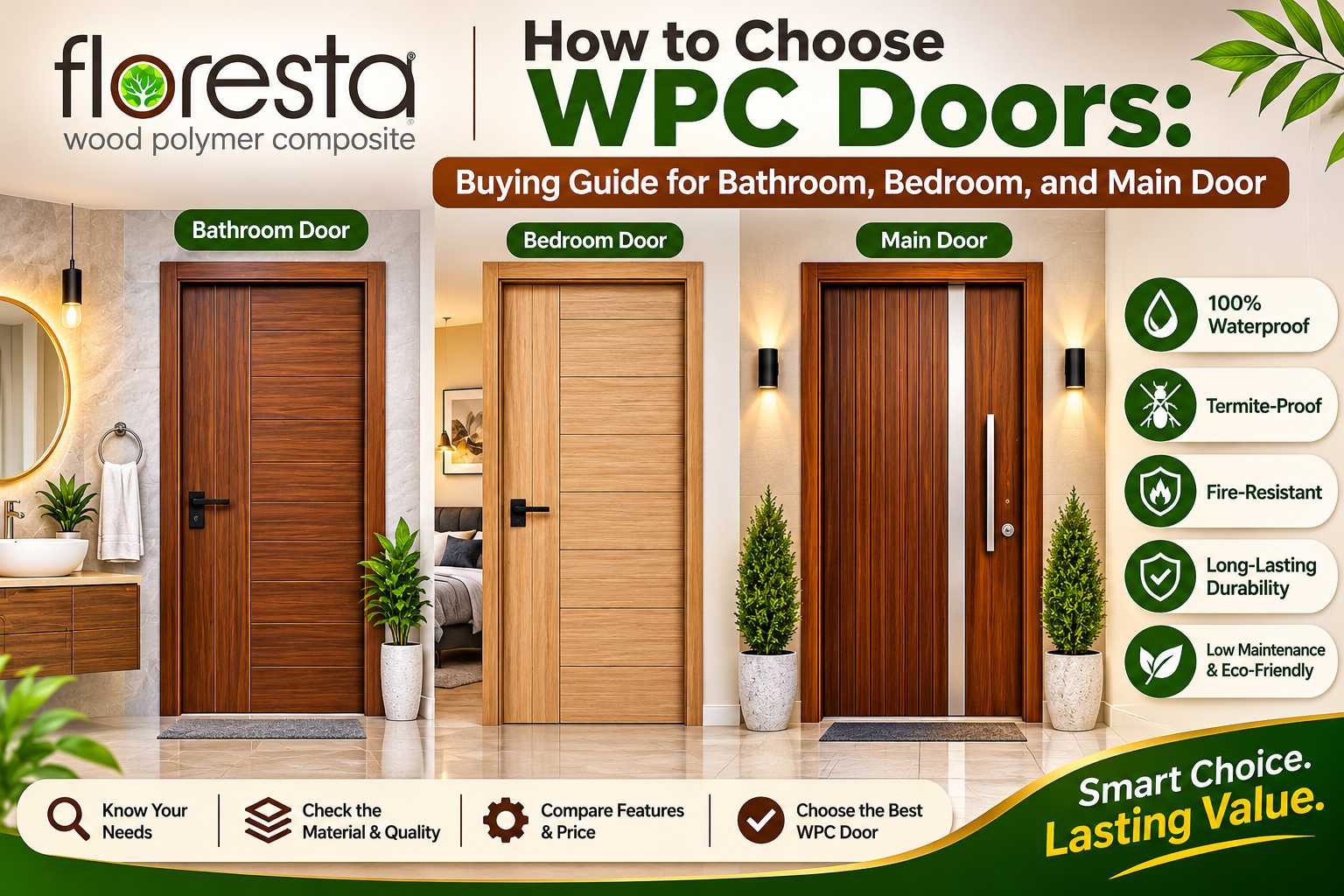
Waterproof and moisture-proof: no swelling, rotting, or peeling in bathrooms and wet areas.
Termite- and borer-proof: no food for insects, so no hollow, powdery frames.
Low maintenance: no regular polishing or sanding.
Nailable and screwable: hinges, locks, and handles fix with normal hardware.
Fire retardant: adds a layer of safety compared with untreated wood.
Eco-friendly: less dependence on fresh timber.
Stable in Indian weather: handles humid monsoons and dry North Indian winters.
Specifications to Ask For
Reputable WPC door manufacturers share a written spec sheet without being chased. Ask every supplier for one. It should cover:
Door thickness and standard sizes
Custom size options for your openings
Density of the board (kg/m³)
Core type: solid or hollow with internal ribs
Surface options: laminate, membrane, or paint-ready
Warranty period and replacement terms
If a supplier cannot share these details, take it as a warning sign.
WPC vs Wood vs Plywood Doors: Quick Comparison
Prices change with size, thickness and finish, so ask for a current WPC door price list rather than relying on online figures.
Where WPC Doors Work Best
Bathrooms and toilets: the most common place wooden doors fail. WPC handles daily splashes and wet mopping.
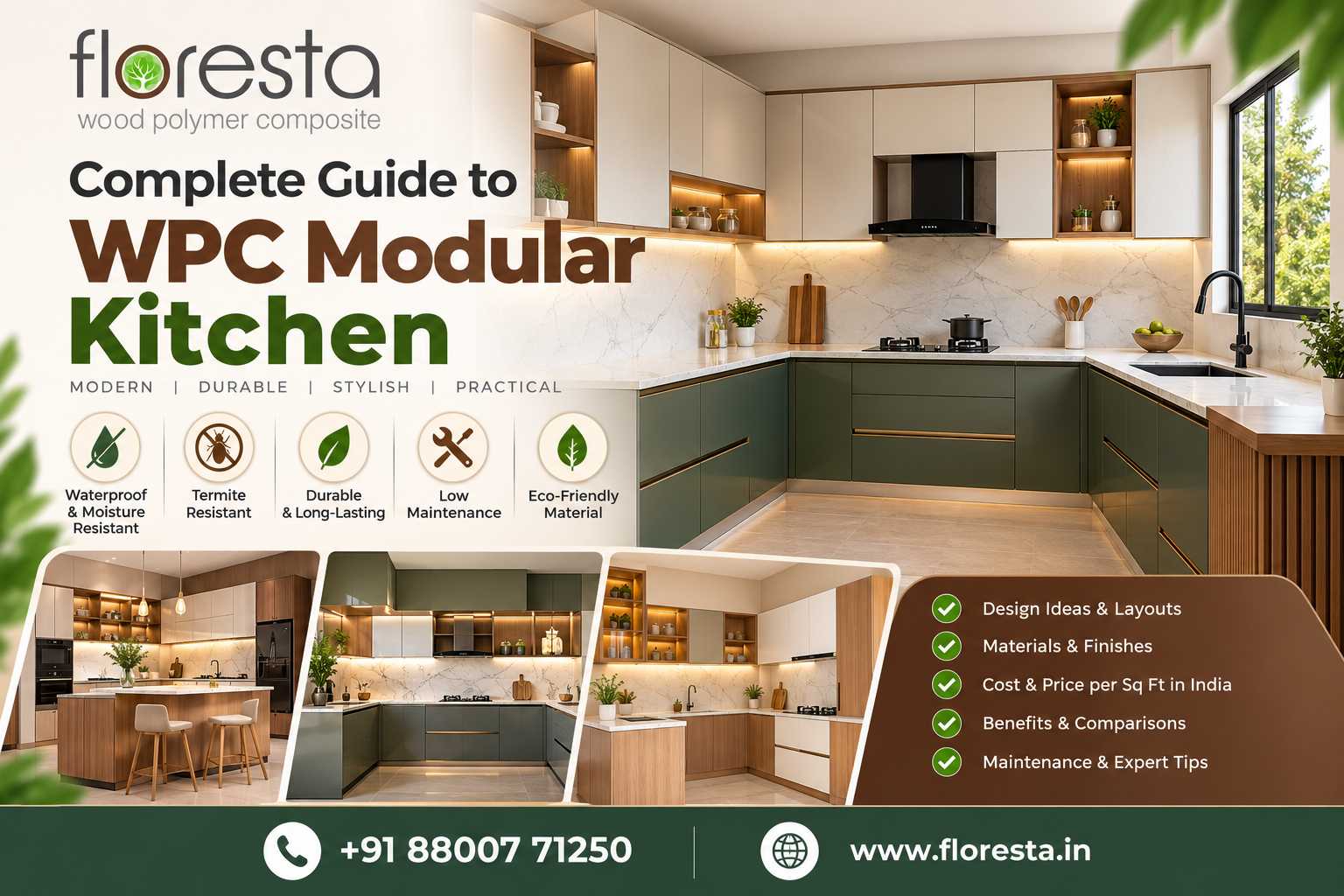
Kitchens and utility areas: steam, sink splashes and cleaning chemicals.
Balconies and terrace doors: rain blows in during the monsoon. Ask about a UV-stable finish.
Ground floors and termite-prone areas: homes near gardens, parks or older drainage lines.
Rental flats, hostels, hospitals and schools: heavy use with little upkeep.
How to Choose Between WPC Door Manufacturers
1. Confirm They Actually Manufacture
Many sellers call themselves a factory but only trade. Genuine WPC door manufacturers control the raw material mix, the production line and quality checks, so they can explain why their door performs the way it does. Ask for the plant address and a visit or video walkthrough of the WPC door factory.
2. Test a Sample Yourself
Ask for an offcut. Leave it in a bucket of water for a few days, then check for swelling. Drive a screw near the edge and see if it cracks.
3. Check Supply to Your City
Ask whether they have an authorised WPC door distributor in your city or ship direct. Confirm freight cost and lead time in writing.
4. Compare the Full Cost
Look beyond the per-door rate. Add the frame, hardware, finish, transport and installation.
5. Get the Warranty on Paper
A confident WPC door supplier will put the warranty and replacement terms in writing.
WPC Door Manufacturers in Delhi NCR
Delhi NCR has a large stock of older houses where termites are a constant problem, plus a steady flow of new builder floors. Ground-floor and basement rooms see damp walls through the monsoon.
When you shortlist WPC door manufacturers in Delhi, give preference to brands with a local office you can walk into. Floresta’s corporate office is in Kirti Nagar, New Delhi, one of the city’s best-known furniture and interiors markets, and its plant is in Pantnagar, Uttarakhand. Short supply lines from a North India plant usually mean faster delivery to Delhi NCR and Uttar Pradesh.
WPC Doors in Hyderabad: What to Check
Hyderabad’s housing market is growing fast, with large apartment projects and independent villas. Heavy rain spells and summer heat both test a door.
If you are sourcing WPC doors in Hyderabad, ask the dealer which manufacturer they buy from and confirm it with the brand. Several WPC door manufacturers based in North India supply Hyderabad through local distributors, so it is worth knowing who actually made the door you are buying. For large projects, ask about bulk WPC doors shipped direct from the factory, with lead times agreed before you place the order.
WPC Doors in Bangalore: Buying for a Damp Climate
Bangalore has a long rainy season, and many homes deal with damp walls and fungus behind wooden frames. Interior designers in the city often specify moisture-proof materials for bathrooms and utility areas.
Many people searching for WPC doors Bangalore suppliers find that most WPC door manufacturers do not have a plant in Karnataka, so the dealer’s stock and lead time matter a lot. When buying WPC doors in Bangalore, check the finish under daylight, ask for the spec sheet, and confirm that the door and frame come from the same manufacturer so they match in size and finish.
Searching “WPC Door Dealers Near Me”? A Simple Shortlist Process
Search for WPC door dealers near me and shortlist three or four names.
Ask each dealer which WPC door manufacturers they represent, then call the brand to confirm the dealer is authorised.
Visit the WPC door showroom. Check edges, weight and surface finish by hand.
Ask for a written quote and price list for your exact sizes.
For builders and contractors, compare dealer rates with WPC door wholesale rates direct from the factory.
Installation and Maintenance Tips
Pair the door with a WPC or PVC frame in wet areas, so the frame does not rot before the door.
Pre-drill screw holes and use stainless steel screws in bathrooms.
Let the door acclimatise on site for a day before fitting, stored flat and away from direct sun.
Leave the right gap at the bottom so the door does not drag on wet tiles.
Do not over-tighten hinges; it can crush the surface.
Clean with a damp cloth and mild soap. Avoid harsh solvents.
Check hinges and locks once a year and tighten if needed.
Why Choose Floresta as Your WPC Door Manufacturer
Among WPC door manufacturers in India, Floresta brings factory-level control and a Delhi office where buyers can see the material first-hand.
European technology: Floresta was among the first in India to bring European technology to WPC board production.
Own manufacturing plant: Pantnagar, Rudrapur, Uttarakhand.
Delhi office you can visit: Kirti Nagar, New Delhi.
Material properties: termite- and borer-proof, waterproof, moisture-proof, fire-retardant, eco-friendly, nailable, and screwable.
Built for B2B supply: builders, contractors, dealers, and distributors can inquire about bulk orders and dealerships.
Supply across India: for projects in Hyderabad, Bangalore, or any other city, Contact Floresta for delivery timelines and the nearest supply point.
Frequently Asked Questions
What is a WPC door?
A WPC door is made from wood-polymer composite, a blend of wood fiber and thermoplastic polymer. It looks and works like a wooden door, so you can cut it, screw it, and fit standard hardware. Unlike wood, it does not absorb water, swell, or attract termites, which makes it suitable for wet areas.
Are WPC doors good for bathrooms?
Yes. Bathrooms are where WPC doors make the most sense. They are waterproof and moisture-proof, so daily splashes, steam, and wet mopping do not cause swelling or peeling. For the best result, pair the door with a WPC or PVC frame, because a wooden frame can still rot at the bottom.
How do I find genuine WPC door dealers near me?
Start with an online search and shortlist three or four dealers. Then call the manufacturer and confirm each dealer is authorized. Visit the showroom, check the edges and finish by hand, and ask for a written quote with exact sizes, thickness, and warranty before you pay any advance.
Can I buy WPC doors directly from the manufacturer?
Many manufacturers sell directly to builders, contractors, and dealers placing bulk orders. Retail buyers are usually served through local dealers. If you need doors for a full project, contact the manufacturer for wholesale rates, delivery timelines, and freight to your city, then compare that with your local dealer’s quote.
How long does a WPC door last?
A well-made WPC door can last many years because it does not rot, swell, or suffer termite damage. Actual life depends on material quality, installation, hardware, and daily use. Always ask the manufacturer for the warranty period in writing, as it is the clearest sign of how long they expect it to last.
Is a WPC door better than a plywood door?
For wet and termite-prone areas, yes. Plywood and flush doors can swell and delaminate when water reaches the edges, and they need termite treatment. WPC doors resist both problems and need less maintenance. In dry bedrooms on a tight budget, a plywood door can still be a reasonable choice.
Do WPC doors need polishing or painting?
No regular polishing is needed. Most WPC doors come with a laminate, membrane, or ready finish that you simply wipe with a damp cloth and mild soap. Some boards are paint-ready if you want a custom color. Avoid harsh solvents and abrasive scrubbers, which can damage the surface finish over time.
Conclusion: Choose the Factory, Not Just the Door
A WPC door can end the cycle of swollen, termite-eaten bathroom doors, but only if it comes from a manufacturer that controls its material and stands behind it. Shortlist WPC door manufacturers that share spec sheets, offer samples, confirm their dealers, and put the warranty in writing.
Whether you are building in Delhi, Hyderabad, or Bangalore, Floresta can help you with samples, sizes, and bulk pricing. Dealers and distributors are welcome to inquire too.