
WHAT IS WPC MATERIAL PROPERTIES USES BENEFITS 2026
May 15, 2026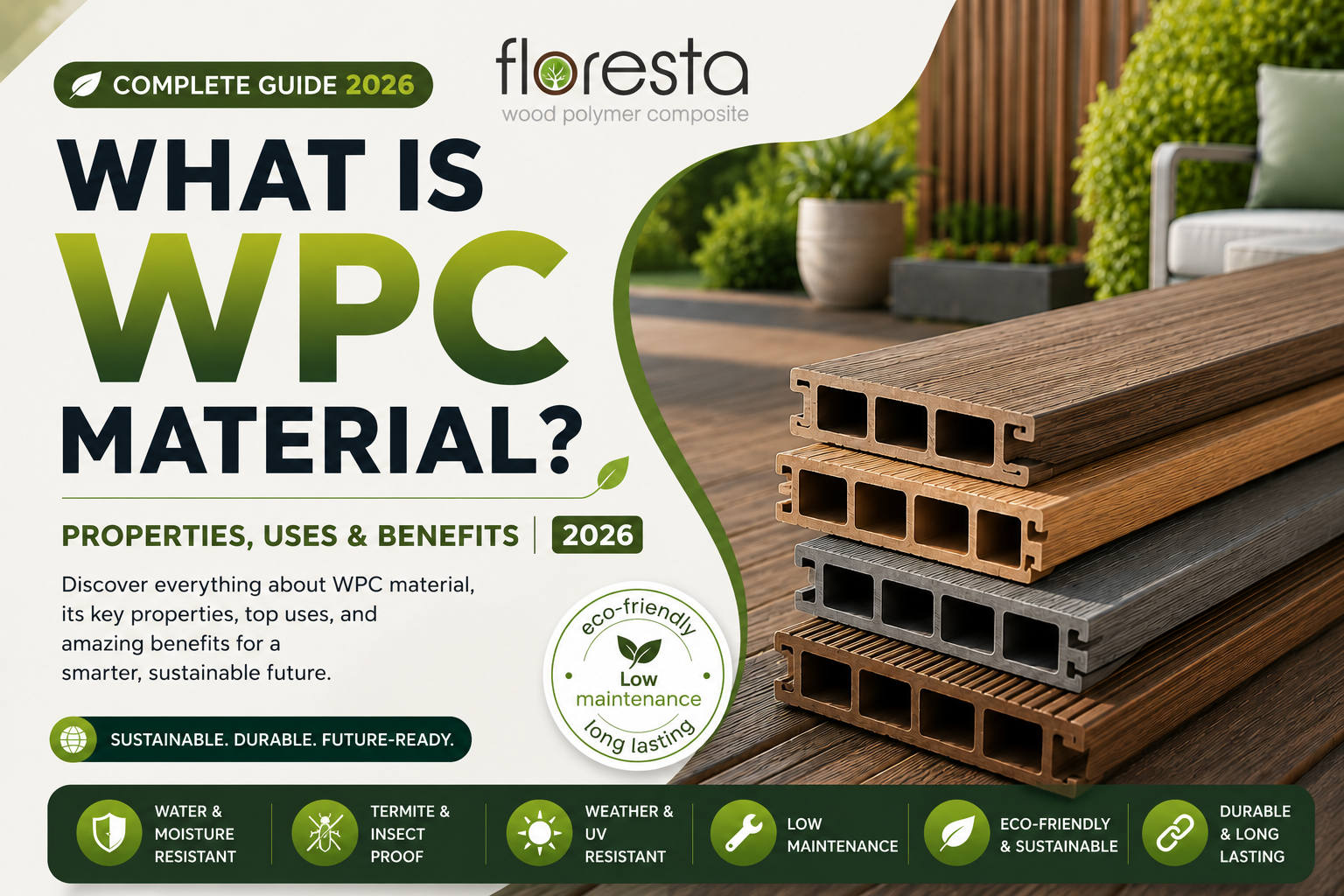
WHAT IS WPC MATERIAL PROPERTIES USES BENEFITS 2026
WPC (Wood Plastic Composite): The Indian construction and interior industry has changed significantly over the past few years. Homeowners today are not just looking for materials that look attractive—they also want durability, moisture resistance, sustainability, and long-term value. This shift has increased the demand for modern alternatives to traditional wood and plywood, and one material that has gained remarkable attention is WPC.
If you have been searching for what WPC material is, this guide will help you understand everything in detail. From its composition and properties to applications and benefits, WPC has become one of the most preferred materials for modern homes and commercial spaces in 2026.
As design trends evolve and maintenance-free solutions become more important, WPC is emerging as a reliable replacement for conventional materials. Many people search for wpc full form or what WPC material is—this guide covers both in detail. From its composition and properties to applications and benefits, WPC has become one of the most preferred materials for modern homes and commercial spaces in 2026.
What is WPC material?
To understand the concept clearly, it is important to begin with the basics. Many people ask, "What is WPC material, and why is it becoming so popular?"
WPC stands for Wood Polymer Composite, a material created by combining wood fibers or wood powder with thermoplastic polymers. This combination results in a product that has the appearance and texture of wood but performs far better in terms of durability and resistance.
Unlike natural wood, WPC does not absorb water, does not crack easily, and remains stable even in changing weather conditions. This makes it a highly practical material for Indian homes where humidity and temperature fluctuations are common.
The increasing use of WPC in construction and furniture is mainly because it offers the beauty of wood without the common disadvantages associated with it.
WPC Full Form and Meaning
The wpc full form is Wood Plastic Composite (WPC). It combines the strength of wood with the flexibility and durability of plastic. The idea behind WPC was to create a material that could overcome the limitations of traditional wood products. Over time, advancements in technology have improved the quality and applications of WPC, making it one of the most reliable choices for modern construction.
The wpc material full form is Wood Plastic Composite. It combines the strength of wood with the flexibility and durability of plastic.
The idea behind WPC was to create a material that could overcome the limitations of traditional wood products. Over time, advancements in technology have improved the quality and applications of WPC, making it one of the most reliable choices for modern construction.
Many people also search for wpc board meaning, as WPC boards are among the most commonly used products in this category. A WPC board is simply a board manufactured using wood plastic composite technology, designed for furniture, partitions, doors, and interior applications.
Why WPC Material is Replacing Traditional Wood
Traditional wood has been used for decades in Indian homes, but it comes with several challenges. It is vulnerable to moisture, termite attacks, and regular wear over time. Maintenance costs also increase because wooden surfaces often require polishing, painting, or chemical treatment.
WPC solves many of these problems. It offers high durability while requiring very little maintenance. Unlike plywood or natural wood, it remains stable even in wet conditions.
This is why architects, builders, and homeowners are increasingly choosing WPC over traditional materials. The shift is especially noticeable in kitchens, bathrooms, wardrobes, modular furniture, and modern interiors.
Understanding WPC Properties
One of the biggest reasons behind the growing popularity of WPC is its excellent performance. The unique wpc properties make it suitable for a wide range of applications.
WPC is highly moisture-resistant, which means it does not swell or weaken when exposed to water. This makes it ideal for humid environments and wet areas.
Another important property is termite resistance. Since the material is not entirely natural wood, termites and pests do not damage it easily.
WPC also offers excellent strength and stability. It does not crack, warp, or bend like traditional wood. This makes it suitable for furniture and structural applications where durability matters.
In addition, WPC is considered environmentally friendly because it reduces the need for cutting natural timber. It supports sustainable construction practices and aligns with the growing demand for eco-conscious materials.
Uses of WPC Material in Modern Construction
The applications of WPC have expanded significantly over the years. Today, it is used in both residential and commercial projects due to its versatility and durability.
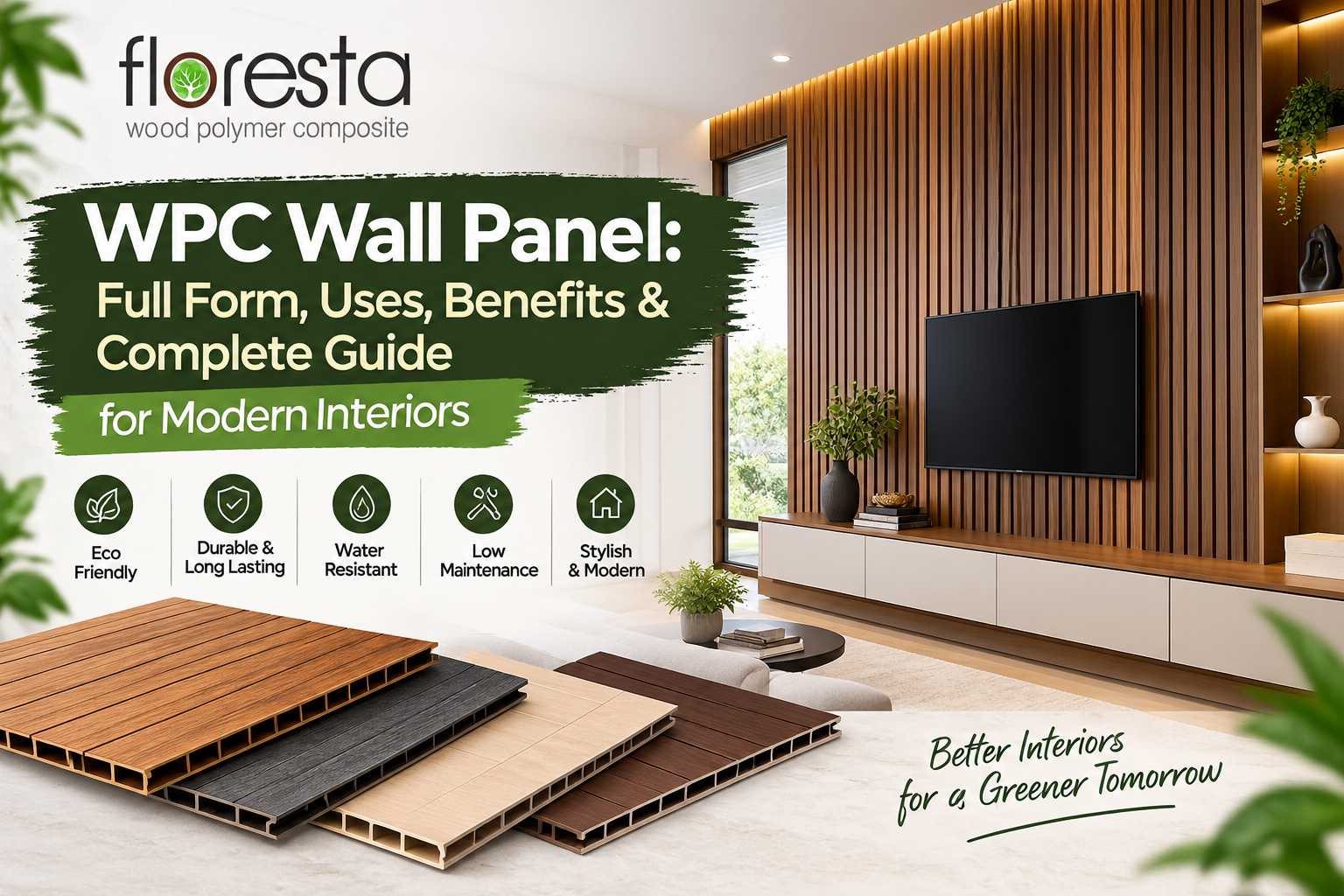
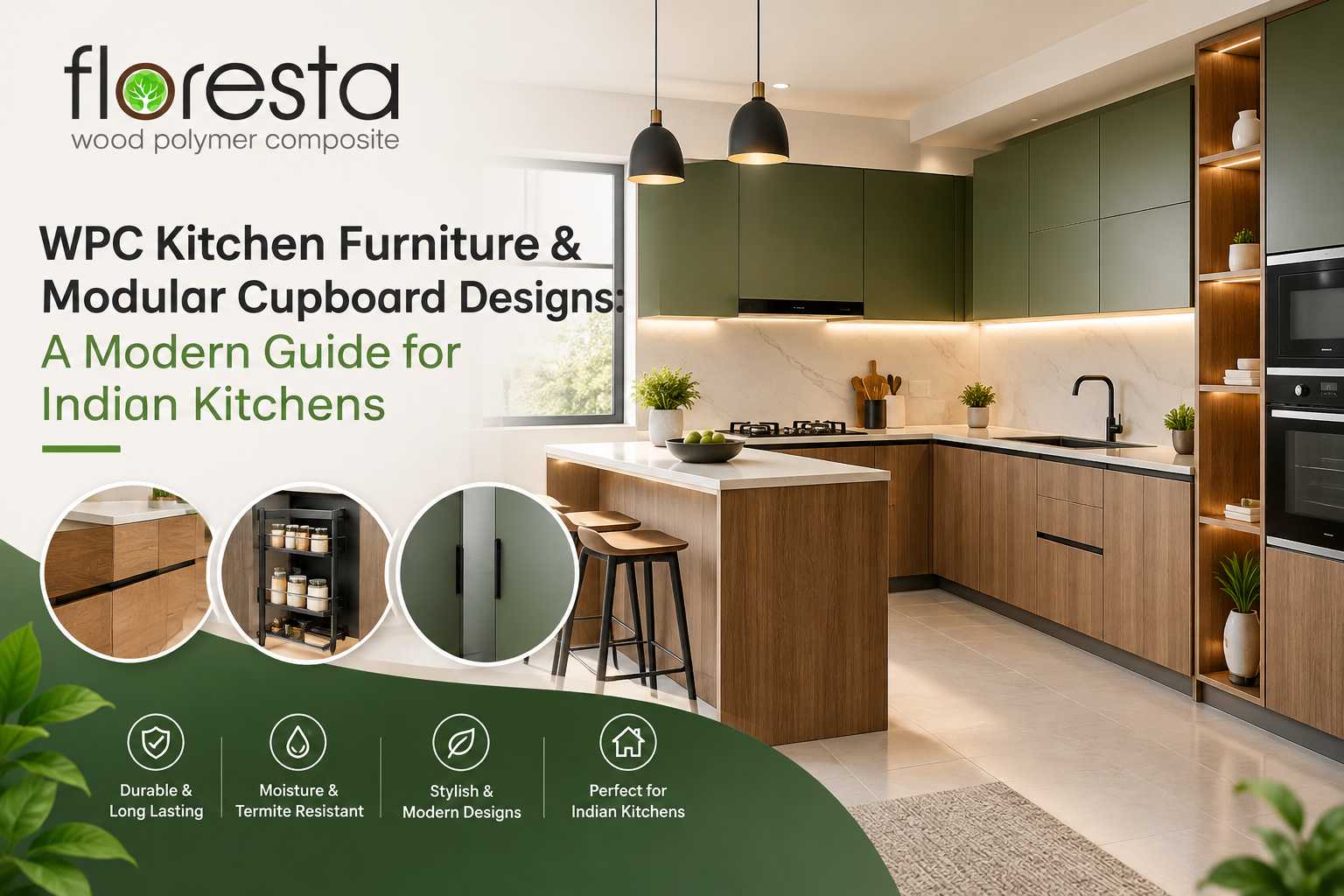
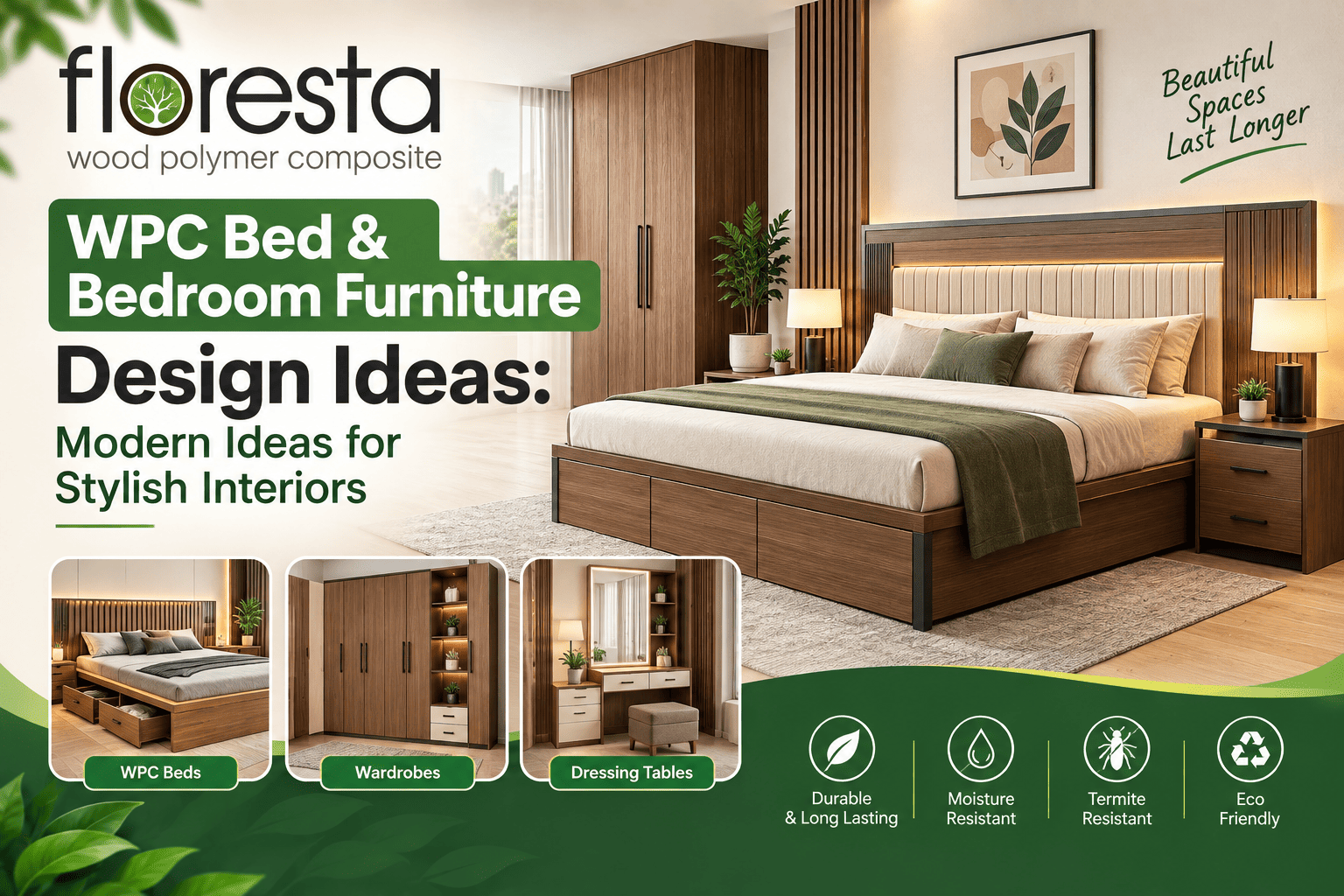
One of the most common uses of WPC is in furniture manufacturing. Cabinets, wardrobes, modular kitchens, and office furniture are often made using WPC boards because they last longer and require less maintenance.
WPC is also widely used for doors and door frames. Since it is resistant to water and termites, it performs exceptionally well in Indian conditions.
Another important application is wall panels and partitions. Modern interiors often use WPC for decorative wall cladding and ceiling designs because of its clean finish and durability.
In commercial spaces, WPC is used for office interiors, retail stores, and hospitality projects where long-lasting performance is essential.
WPC vs Plywood – Which is Better?
One of the most common comparisons in the market today is WPC versus plywood. While plywood has been a traditional choice for years, WPC offers several advantages.
Plywood is prone to moisture damage and termite attacks, especially in humid regions. Over time, it may weaken and require repairs or replacements.
WPC, on the other hand, remains stable in such conditions. It is waterproof, termite-resistant, and much more durable in the long run.
Although the initial cost of WPC may be slightly higher, the reduced maintenance and longer lifespan make it more cost-effective over time.
This is why many homeowners now consider WPC a smarter investment for modern interiors.
Advantages of WPC Material
The advantages of WPC go beyond durability. It combines performance, aesthetics, and convenience in one material.
One major benefit is low maintenance. WPC surfaces do not require polishing or repainting. Simple cleaning is enough to maintain their appearance.
Another advantage is design flexibility. WPC can be manufactured in different finishes, colors, and textures, making it suitable for both traditional and modern interiors.
Its moisture resistance makes it highly reliable in bathrooms, kitchens, and other wet areas where wood often fails.
WPC is also a safer and more hygienic option because it resists fungal growth and termite infestation.
Challenges and Limitations of WPC
While WPC offers many advantages, understanding its limitations is also important.
The initial cost may be higher than basic plywood or MDF. However, this is usually balanced by lower maintenance and longer life.
Some people may also feel that WPC does not provide the exact natural grain appearance of solid wood. However, modern manufacturing techniques have significantly improved its finish and texture.
Overall, the advantages of WPC far outweigh these minor limitations.
Why WPC is Ideal for Indian Homes
Indian homes face unique environmental conditions, including humidity, heat, and termite issues. Traditional wood often struggles in these conditions, especially in bathrooms and kitchens.
WPC is designed to handle these challenges effectively. Its moisture resistance ensures long-term stability, while its termite-proof nature protects interiors from damage.
This makes WPC particularly suitable for Indian climates where durability and low maintenance are essential.
Future of WPC Material in 2026 and Beyond
The demand for WPC is expected to continue growing in the coming years. As awareness increases, more homeowners and builders are shifting towards durable and sustainable materials.
Technological advancements are also improving the quality and design possibilities of WPC products. This means consumers now have access to stylish finishes along with better performance.
With the increasing focus on eco-friendly construction and long-lasting interiors, WPC is likely to become one of the most widely used materials in the industry.
Conclusion
Understanding what is wpc material helps in recognizing why it has become such an important part of modern construction and interior design. From furniture and doors to wall panels and partitions, WPC offers a practical and durable solution for a wide range of applications.
Its moisture resistance, termite-proof properties, low maintenance, and long lifespan make it a strong alternative to traditional plywood and wood. As Indian homes continue to move towards smarter and more sustainable materials, WPC is becoming the preferred choice for builders, architects, and homeowners alike.
For those looking for reliable and high-quality WPC solutions, Floresta stands out as a trusted brand in the industry. With a focus on durability, design, and modern performance, Floresta offers products that meet the evolving needs of contemporary spaces while ensuring long-term value.
Frequently Asked Questions
1. What is WPC material, and how is it made?
WPC (Wood Plastic Composite) is a modern material made by combining wood fibers or wood powder with thermoplastic polymers. This mixture is processed under high temperature and pressure to create strong, durable boards. It offers the natural look of wood with enhanced performance such as water resistance and long life.
2. What is the full form of WPC, and what does it mean?
The wpc full form is Wood Plastic Composite. It refers to a hybrid material that combines the strength of wood and the durability of plastic. WPC boards are widely used in furniture, doors, and interiors due to their stability and low maintenance.
3. Is WPC better than plywood for home interiors?
Yes, WPC is often considered better than plywood, especially in areas exposed to moisture. Unlike plywood, WPC is waterproof, termite-resistant, and does not warp or crack easily. Although it may have a slightly higher initial cost, its long lifespan and minimal maintenance make it more cost-effective.
4. What are the main properties of WPC material?
WPC material offers several key properties such as moisture resistance, termite resistance, high durability, and dimensional stability. It does not absorb water, does not swell, and remains strong even in humid conditions, making it ideal for Indian climates.
5. Where can WPC material be used in homes?
WPC is highly versatile and can be used in multiple applications like modular kitchens, wardrobes, doors, wall panels, partitions, and furniture. It is especially useful in bathrooms and kitchens where traditional wood materials may fail due to moisture exposure.
.png)